







Search Results for: pour-over blooming time

Basic Knowledge for Pour-Over Coffee Beginners | Is Blooming Essential in Pour-Over Coffee? What Is the Purpose of Blooming Coffee Grounds by Pouring Water? How Do You Adjust the Coffee-to-Water Ratio in Pour-Over Coffee?
Front Street Coffee often encounters many pour-over beginners who ask a question: Why does pour-over coffee need blooming? The most indispensable step in pour-over coffee is the blooming stage. The purpose of blooming is to allow the coffee to release gases and ensure even extraction, and it also clearly reveals whether the beans being brewed are fresh. Front Street Coffee focuses on fresh [more…]
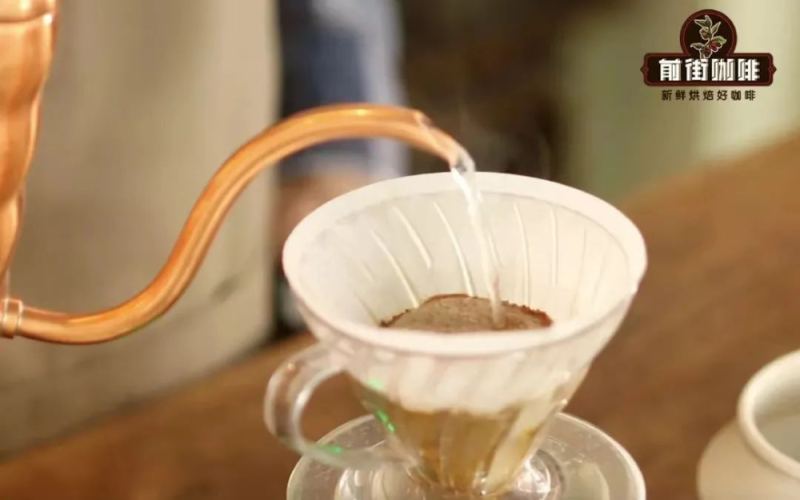
How to Determine the Blooming Time for Pour-Over Coffee? Whether It Counts Toward Total Brew Time and a Detailed Explanation of the Degassing Principle
The blooming phase in pour-over coffee is often regarded as a key step that determines flavor. Many enthusiasts ask: does the 30-second bloom actually count toward the total extraction time? And what is the purpose of blooming? Starting from the principle of carbon dioxide release, this article explains why drip-style pour-over must be bloomed, and analyzes how three states—insufficient blooming, excessive blooming, and moderate blooming—affect the taste of coffee. At the same time, drawing on Front Street's brewing experience, it explains how the roast date, roast level, and pouring method change the optimal bloom duration, helping readers judge flexibly based on the state of degassing in the coffee bed rather than rigidly sticking to a fixed number of seconds. [more…]
Step-by-Step Guide to Pour-Over Coffee|Do pouring technique and blooming affect the flavor of pour-over coffee? Which pour-over brewing method is suitable for coffee beginners?
Front Street often encounters many pour-over beginners asking a question: Why does pour-over coffee need blooming? The most indispensable step in pour-over coffee is the blooming phase. The purpose of blooming is to allow the coffee to release gases and ensure even extraction, and it also clearly reveals whether the beans being brewed are fresh. Front Street focuses on freshness [more…]

Ice Water Pour-Over Coffee in Practice: A Full Breakdown of Grind Adjustment, Bloom Time, and Pulsed Extraction Parameters
Brewing pour-over coffee directly with ice water might sound unreliable—low-temperature extraction is inefficient, so won't it turn out weak and tasteless? In fact, with the right method, ice-water pour-over can fully deliver rich, smooth layers of flavor. Using Front Street Flower Kui coffee beans as an example, this article compares the brewing results of three different blooming times (30 seconds, 1 minute, and 1 minute 30 seconds), breaks down in detail the grind-size adjustments, blooming strategy, staged pouring technique, and stirring tips for ice-water pour-over, and helps you master the core parameters of ice-water pour-over so you can make a cup of iced coffee with rich layers and a long, lingering finish. [more…]
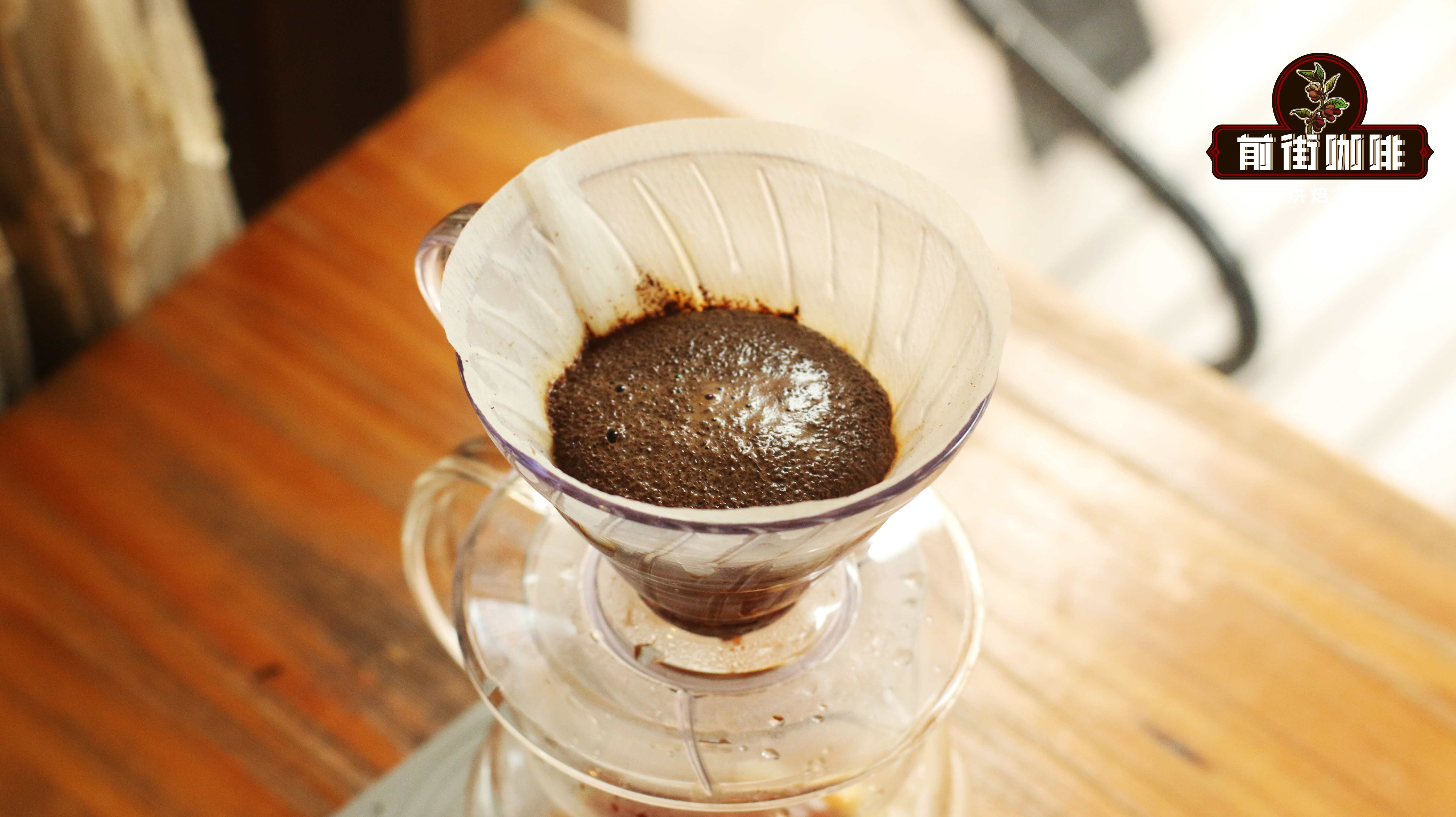
A Complete Guide to Blooming and Pouring in Pour-Over Coffee: Degassing Principles, Key Variables, and a Three-Pour Practice Method
In pour-over coffee, blooming is an indispensable step, as it affects degassing, extraction evenness, and the assessment of bean freshness. Drawing on Front Street Coffee's practical experience, this article breaks down in detail the purpose of blooming and the factors that influence it, including storage time, roast level, water temperature, water volume, duration, and grind size, and explains the complete process of the "little hill" expanding and then collapsing during blooming. The article then provides the specific steps for three-pour brewing: a 30-second bloom followed by two subsequent pours, with the total extraction time controlled at 2 minutes. Finally, through comparative experiments, it analyzes the impact of the number of pours on extraction time and flavor, answering the common question of whether the three-pour method is optimal, and helping coffee enthusiasts build a clearer pour-over logic. [more…]
Why exactly is the bloom in pour-over coffee unskippable? A complete analysis from the principles of degassing to the number of pouring stages
The blooming phase in pour-over coffee may look like simply wetting the coffee grounds with hot water, but it actually determines whether the entire cup can be extracted evenly. Drawing on the hands-on experience of Front Street Coffee, this article systematically sorts out the core purposes of blooming—releasing gases inside the coffee beans, ensuring even extraction, and judging bean freshness—and analyzes one by one how factors such as coffee bean storage time and roast level, water temperature, amount of water poured, blooming duration, and grind size affect the blooming effect. Through comparative experiments, the article also verifies the actual impact of the number of pouring stages on extraction time and flavor performance, helping enthusiasts understand the logic and applicable boundaries of three-stage pouring. [more…]

Is Blooming Essential for Pour-Over Coffee? Analyzing the Degassing Principle and Special Brewing Conditions Where Blooming Can Be Skipped
The blooming step in pour-over coffee is a fixed routine for many enthusiasts, but is it truly indispensable? Starting from a comparative experiment at Front Street, this article provides an in-depth analysis of the core function of blooming—releasing carbon dioxide that hinders extraction—and, through brewing data from two groups, a light-roast Huakui and a dark-roast Golden Mandheling, demonstrates the significant differences in extraction yield and flavor between blooming and no blooming. At the same time, the article also explores the possibility of omitting blooming under certain conditions, such as using coffee beans that have already degassed sufficiently, or adopting special brewing methods like the drip method, stirring method, or one-pour method. Whether you are a beginner just starting out or a seasoned player seeking a breakthrough, you can gain a clear understanding of the relationship between blooming and extraction. [more…]
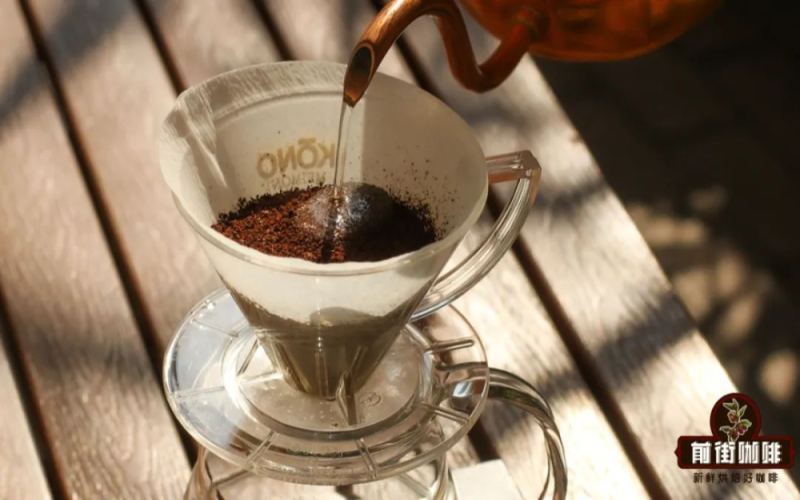
The Science of the Coffee Bloom in Pour-Over Brewing: Why We Bloom, and How to Master Water Volume and Timing
Blooming is an indispensable preparatory step in pour-over coffee before the actual pouring begins, known in English as "bloom." Many enthusiasts are accustomed to the practice of using twice the coffee grounds' weight in water, pouring in circles, and waiting 30 seconds—but what is the principle behind this formula? And what flavor differences arise from insufficient or excessive blooming? This article will systematically explain the purpose of blooming, key parameters, and judgment methods from the perspectives of carbon dioxide release and the water absorption state of the coffee bed, helping you adjust flexibly for beans of different roast levels and freshness, and brew a cup of pour-over coffee with even extraction and full aroma. [more…]
How Long Should the Bloom Last in Pour-Over Coffee? A Complete Analysis from Degassing Principles to Practical Timing
Blooming is an indispensable step in pour-over coffee, and it directly affects the flavor expression in the final cup. Many enthusiasts know they should bloom, but are confused about how long to bloom, why to bloom, and how to adjust under different circumstances. Starting from the principle of carbon dioxide hindering flavor release, this article divides blooming into three states—insufficient, excessive, and moderate—and explains their manifestations and consequences respectively, then further discusses the influence of resting period length, roast level differences, and pouring technique on blooming duration. Front Street will also share how, in actual brewing, it flexibly adjusts the blooming seconds according to the bean's condition, helping you find a rhythm more suitable for the bean at hand beyond the general 30-second suggestion. [more…]
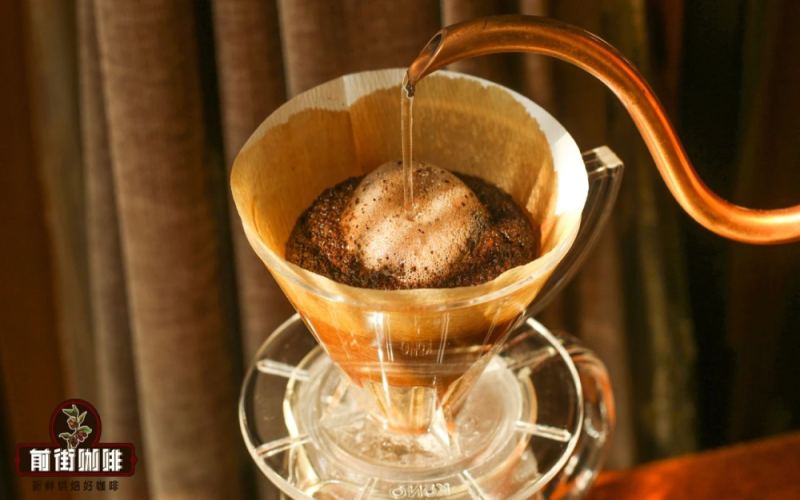
Pour-over Coffee Brewing Techniques | How Important Is Blooming to Pour-over Coffee? How Much Water and How Long for Coffee Blooming? How to Judge the Blooming Process?
Blooming is an important step in brewing coffee, and there's a popular saying that "you can tell if a coffee will taste good just by looking at its bloom." So when people learn to brew coffee, they intentionally or unintentionally "perfect" a flawless "coffee burger." But if you understand the logic behind blooming, you'll discover that blooming is actually [more…]
A Complete Guide to the Coffee Bloom in Pour-Over Brewing: How Time, Water Volume, and Technique Affect Extraction Evenness
Blooming is a key step in pour-over coffee brewing that cannot be overlooked, as it directly affects whether the subsequent hot water can evenly pass through the coffee bed. This article provides a detailed analysis of the difference between blooming and pre-infusion, explains the dual purpose of blooming—releasing carbon dioxide and forming an even filter layer—and offers specific recommendations for the amount of blooming water, typically 1 to 2 times the weight of the coffee grounds, along with the reason for keeping the water temperature between 85 and 92 degrees Celsius. At the same time, the article also explains the blooming pouring technique from three dimensions—small amount, even, and gentle—and points out the differences in water absorption among beans of different roast levels. Front Street Coffee reminds us that only sufficient and proper blooming can lay the foundation for subsequent even extraction, making the flavor of a cup of pour-over coffee more pleasant. [more…]
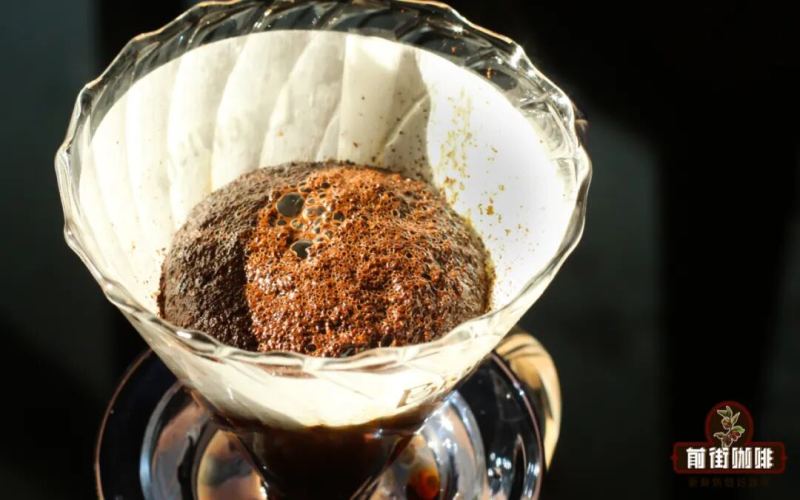
Coffee Blooming | Is blooming a must for pour-over coffee? What is the purpose of blooming coffee grounds? Does blooming or not have a big impact on coffee flavor?
After yesterday's Front Street article "How to Achieve a Perfect Bloom" was published, a friend became curious about this question—"Can pour-over coffee be made without blooming?" Undoubtedly, of course it can! But this "can" requires certain conditions. First, we need to clarify one point, that is [more…]
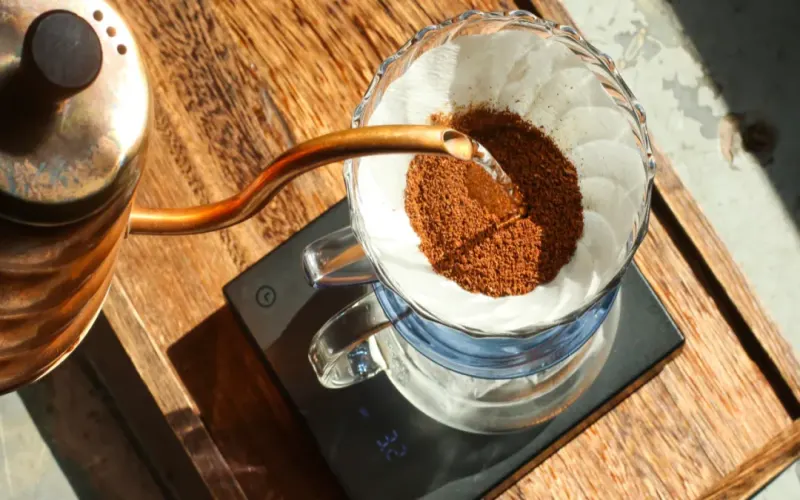
How Should the Bloom Time for Pour-Over Be Defined? Does It Count from the Moment Water Is Poured or from When Pouring Ends? A Full Analysis of the Difference Between 30 Seconds and 60 Seconds
In the pour-over coffee process, blooming is a step that seems simple yet often raises questions. Many people default to 30 seconds, but are not quite clear about when this duration actually starts, nor are they sure what changes extending it to 60 seconds or shortening it to 20 seconds will bring. Front Street Coffee conducted multiple sets of comparative experiments, testing the performance of no blooming, 30-second blooming, 45-second blooming, and 60-second blooming on coffee beans of different freshness levels. This article will focus on the core purpose of blooming—releasing carbon dioxide and improving extraction efficiency—to explain why 30 seconds is regarded as the safe choice, while also explaining how to flexibly adjust the time according to the condition of the beans, so that every cup of pour-over coffee can achieve the ideal flavor and mouthfeel. [more…]
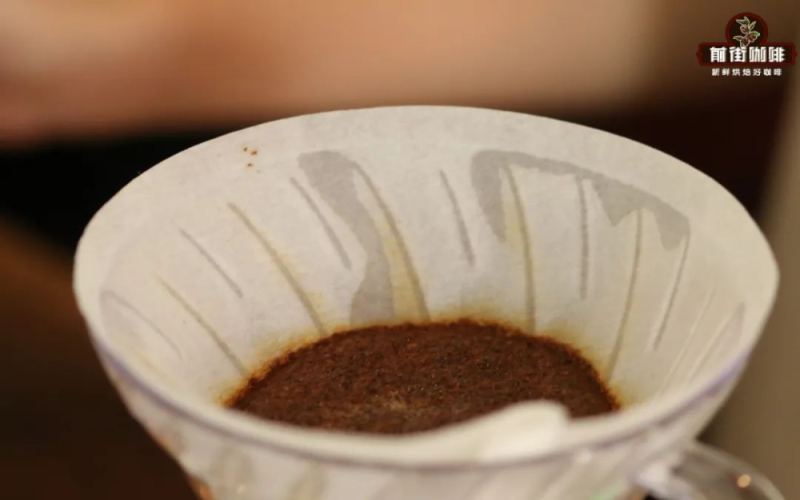
How to Control the Blooming Stage in Pour-Over Coffee? A Detailed Explanation of the Actual Impact of Water Volume, Duration, and Technique on Flavor
Blooming is a key step in pour-over coffee that affects extraction stability. By releasing carbon dioxide trapped in the coffee grounds, it creates the conditions for the smooth release of flavor compounds later on. But blooming is not absolutely necessary—the "one-pour" method previously shared by Front Street Coffee can skip this step entirely. So how exactly should you control the water amount, timing, and technique during blooming? Using 2x the coffee dose and 30 seconds as standard references, this article analyzes one by one the specific changes in coffee flavor when the water amount is too little or too much, and when the time is too short or too long, and offers pouring suggestions suitable for beginners to help you make more accurate judgments in actual practice. [more…]
Analyzing the Differences Between American-Style Pour-Over and Japanese-Style Pour-Over: Coffee-to-Water Ratio, Grind Size, and Chemex Iced Coffee Brewing Method
There are obvious differences between American-style pour-over and Japanese-style pour-over in technique, roast level, grind size, and water temperature. Among them, the unique stirring motion and relatively high water temperature of American-style pour-over bring out a rich and bitter flavor. This article analyzes in detail the process of making iced coffee with a Chemex, and further explores the four key extraction points: grind size, time, stirring, and temperature. At the same time, it compares through experiments the flavor differences among the direct pouring method, the standard blooming method, and the blooming-with-stirring method. The article also specifically recommends related products from Front Street Coffee, providing a practical reference for coffee lovers. [more…]
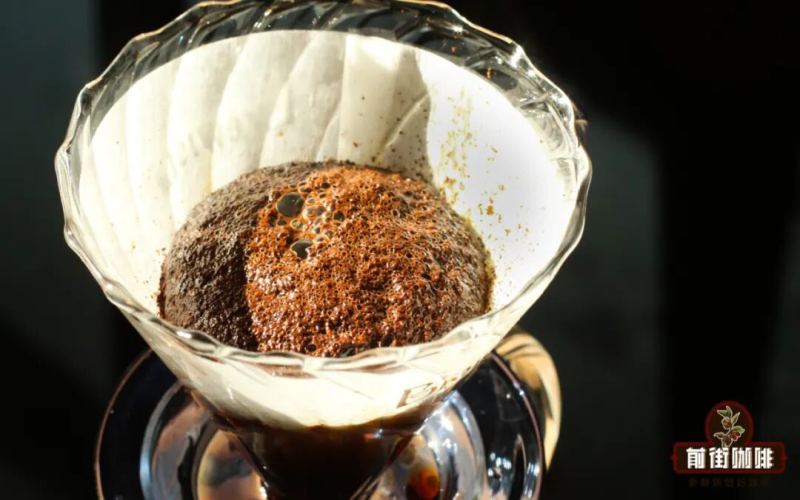
Coffee Blooming | How to achieve the "perfect bloom" when making pour-over coffee? How do you adjust the bloom time for pour-over coffee?
As the saying goes: "Bloom well, and brewing is trouble-free." For pour-over coffee, blooming is a very important preparatory step. So-called blooming is the step where, before we formally extract the flavor compounds from the coffee, we use a small amount of hot water to pre-wet the coffee grounds and wait for a certain period of time. [more…]
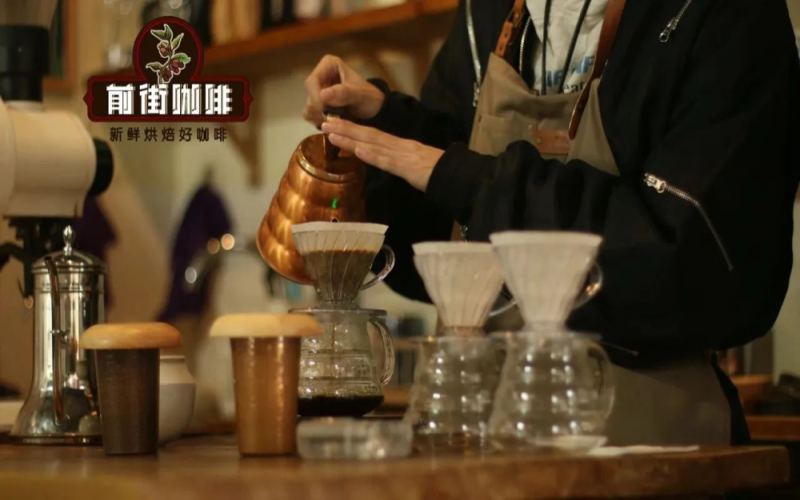
Pour-over coffee brewing ratio | Is the espresso coffee-to-water ratio different from pour-over? What details should be noted for pour-over coffee blooming?
Pour-over coffee is a brewing method that places great emphasis on technique and coffee expertise. Factors such as the amount of coffee beans used for pour-over, the coffee grind size, the coffee-to-water ratio and time, and the brewing technique all affect the flavor extracted in pour-over coffee. So how can you brew a perfect-tasting pot of pour-over coffee? In the rest of this article, Front Street [more…]
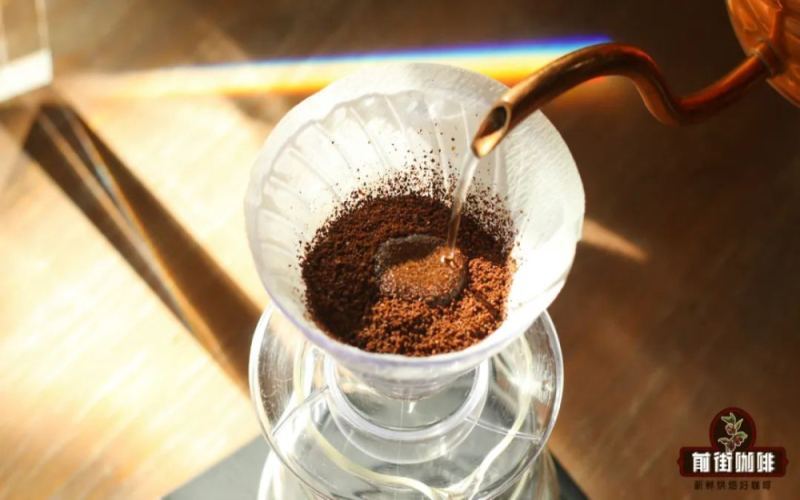
How Should the Blooming Time for Pour-Over Be Flexibly Adjusted? A Full Analysis from Bean Gas Content to Coffee Bed Condition
Blooming is an indispensable preparatory step in pour-over coffee. It works by wetting the coffee grounds with a small amount of hot water, releasing carbon dioxide and using capillary action to connect the particles, laying a uniform and efficient foundation for subsequent extraction. Many people are in the habit of always using a fixed 30 seconds, but coffee beans in different states actually have different requirements for bloom duration. Freshly roasted beans and light-roast, high-density beans need a suitably extended degassing time, while beans that have been sitting for too long or dark-roast beans are the opposite. This article will guide you through how to flexibly determine when to end the bloom based on the beans' gas content, roast level, and the wetness of the coffee bed and the frequency of off-gassing during blooming, as well as master pouring techniques for evenly wetting the coffee bed, bringing every cup of pour-over closer to perfection. [more…]
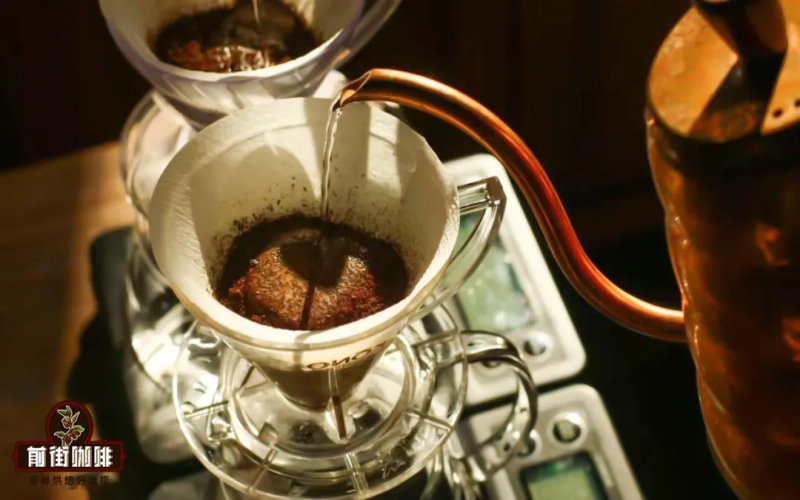
How long should you actually wait during the bloom in pour-over coffee? An analysis of the measured difference between 30 seconds and 60 seconds
Blooming is an almost indispensable step in pour-over coffee. Typically, we pour a small amount of hot water to wet the coffee bed, then wait for about 30 seconds. This seemingly simple pause—how much does it actually affect extraction? If we extend the time to 60 seconds, will the coffee taste better? Front Street conducted comparative brewing experiments with three coffee beans of different freshness levels, measuring the extraction yield difference between a 30-second and 60-second bloom, explained the mechanism of blooming from the perspective of carbon dioxide release, and offered blooming time recommendations suitable for beginners. [more…]
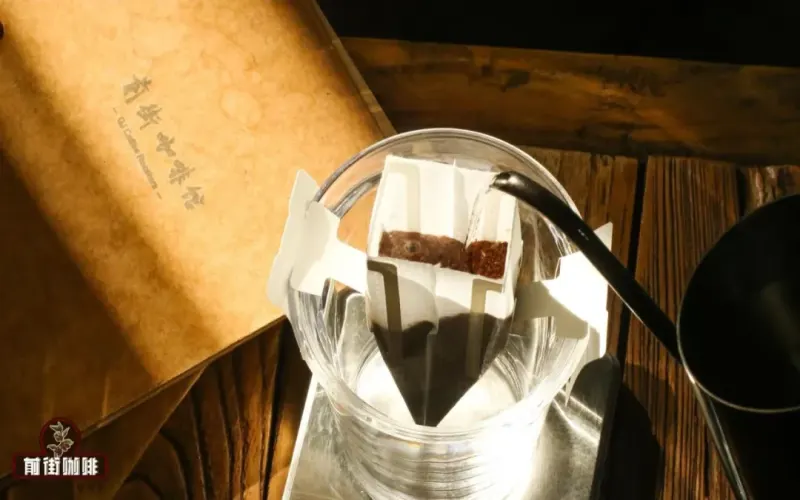
Should You Bloom When Brewing Drip Bag Coffee? Differences from Pour-Over and How to Brew It Correctly
Drip bag coffee is often seen as a convenient alternative to pour-over coffee, but does it also need blooming during brewing? This article, through a comparative experiment with Front Street Coffee Chaka Geisha drip bag coffee, analyzes the differences in concentration and flavor between blooming and not blooming, and explains the principle that blooming helps release carbon dioxide and improves extraction efficiency. At the same time, considering the characteristics of drip bag coffee being pre-ground and prone to carbon dioxide loss, it offers suggestions to shorten the blooming time, helping coffee lovers make a better-tasting drip bag coffee in their daily brewing. [more…]